Our History

A Modern Maritime Group Built on Generations of Shipbuilding Heritage
Balaena unifies five historic maritime centres each with its own deep industrial roots into one modern engineering group.
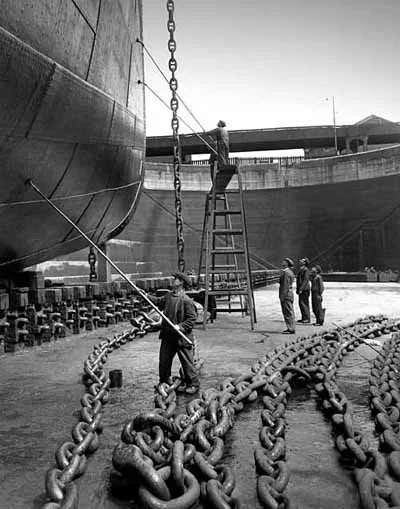
Although the Balaena brand is new, our locations have shaped global shipbuilding, defence engineering and commercial marine operations for over 200 years.
Across Birkenhead, Tyne, Falmouth, Gibraltar and Padstow, our sites have built, repaired and supported thousands of vessels, from 19th-century steamships to the world’s most advanced naval platforms and offshore vessels today.
Shipbuilding Origins in the 19th Century
Birkenhead : A Legacy of Innovation
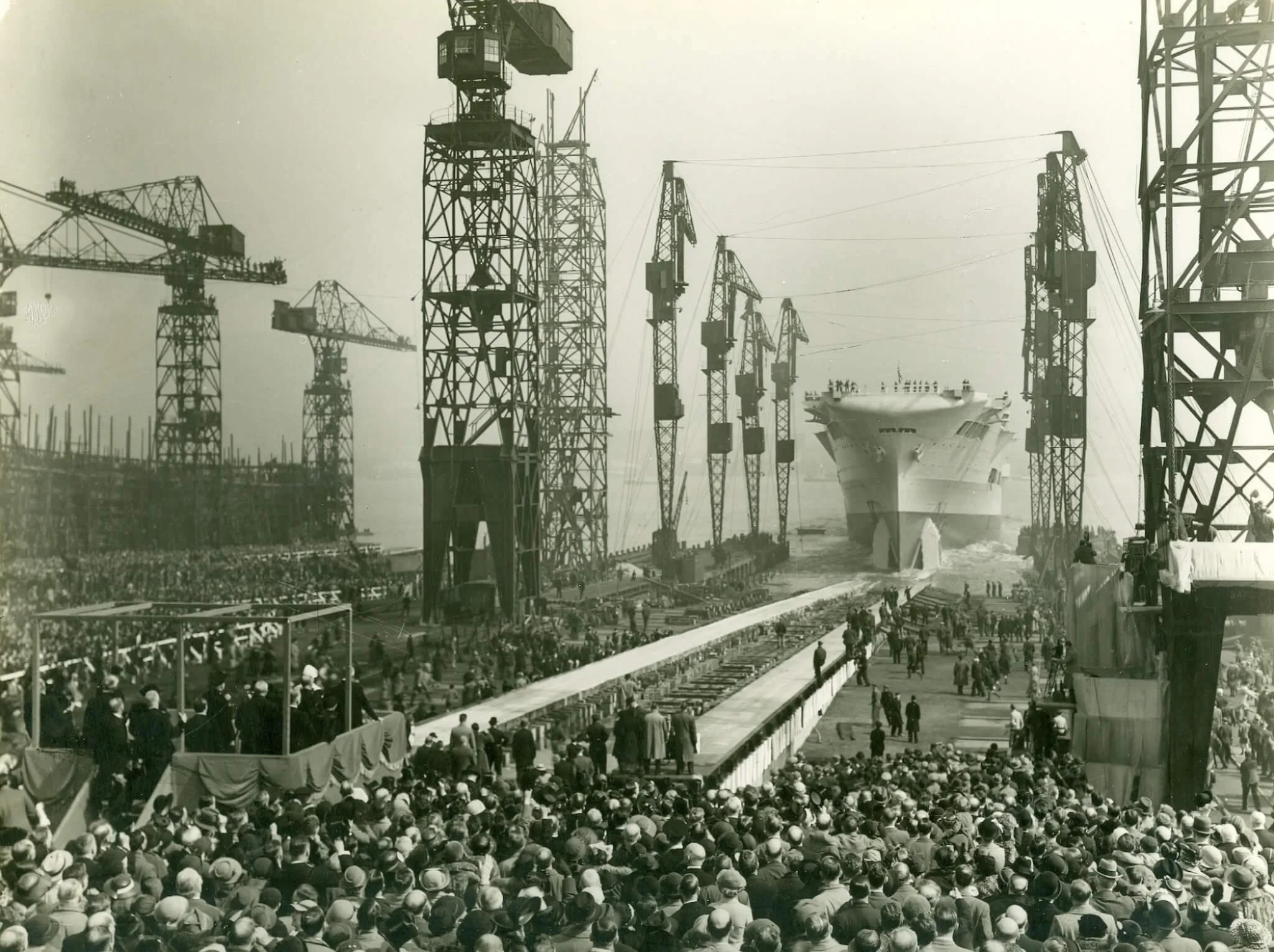
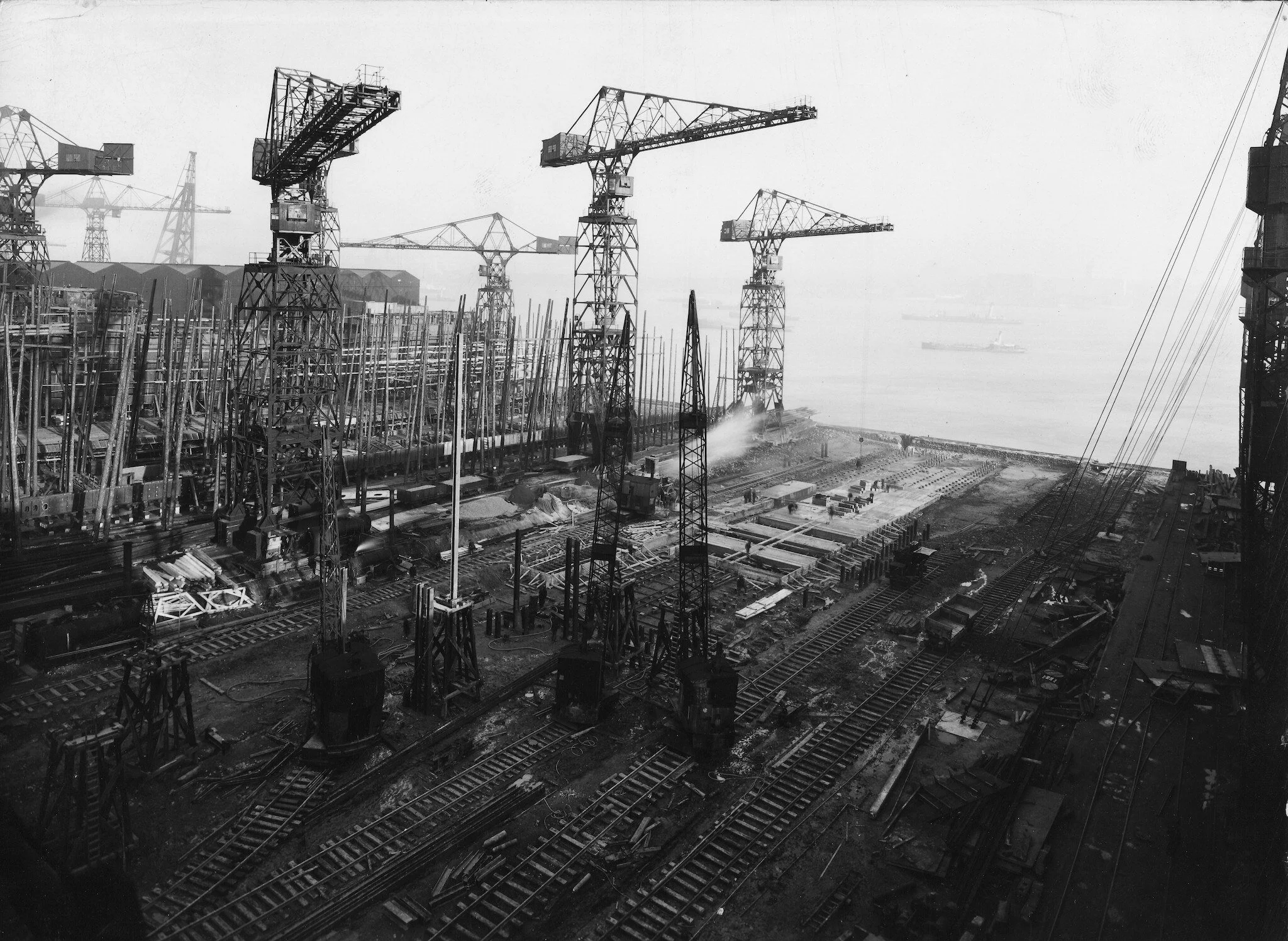
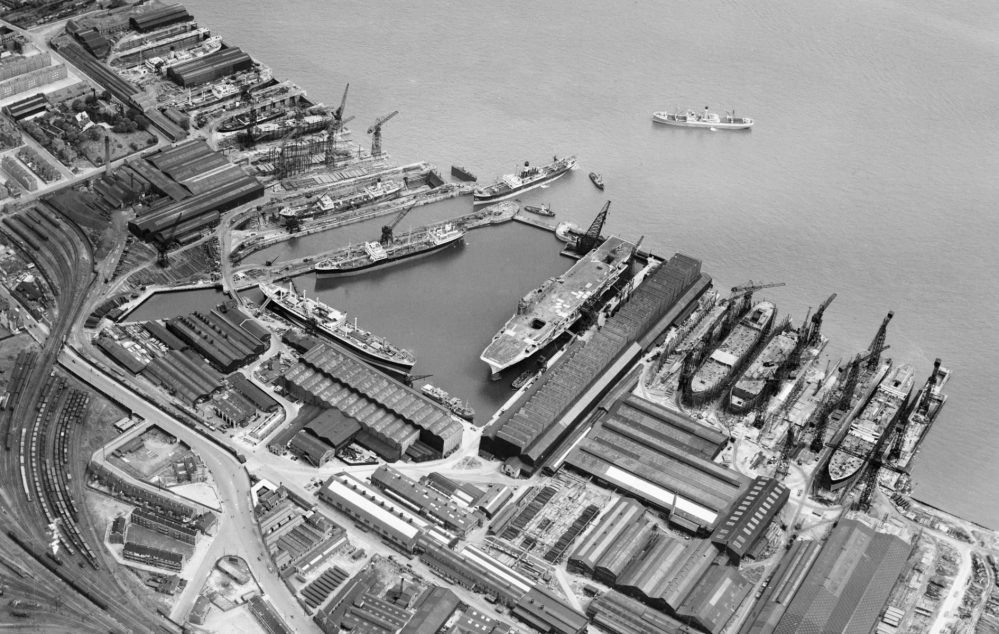
Founded in 1828, Cammell Laird, now known as Balaena Birkenhead grew to become one of Britain’s most important shipbuilders. Over nearly two centuries, it has delivered more than 1,350 vessels, ranging from naval warships to passenger liners and commercial ships, and played a central role in major national programmes.
Its history includes the construction of the CSS Alabama in 1862, one of the most famous warships of its time, and extensive production during both World Wars, when the yard delivered aircraft carriers, destroyers, submarines and troop ships. In the modern era, Birkenhead has remained at the forefront of defence engineering, contributing 21 deck modules to the Queen Elizabeth Class aircraft carriers, fabricating major structures for the Astute-class submarines, and building the 899-tonne stern block for the RRS Sir David Attenborough.
From 19th-century iron shipbuilding to 21st-century advanced defence programmes, the evolution of the Birkenhead site represents one of the most enduring and influential industrial legacies in the UK maritime sector.
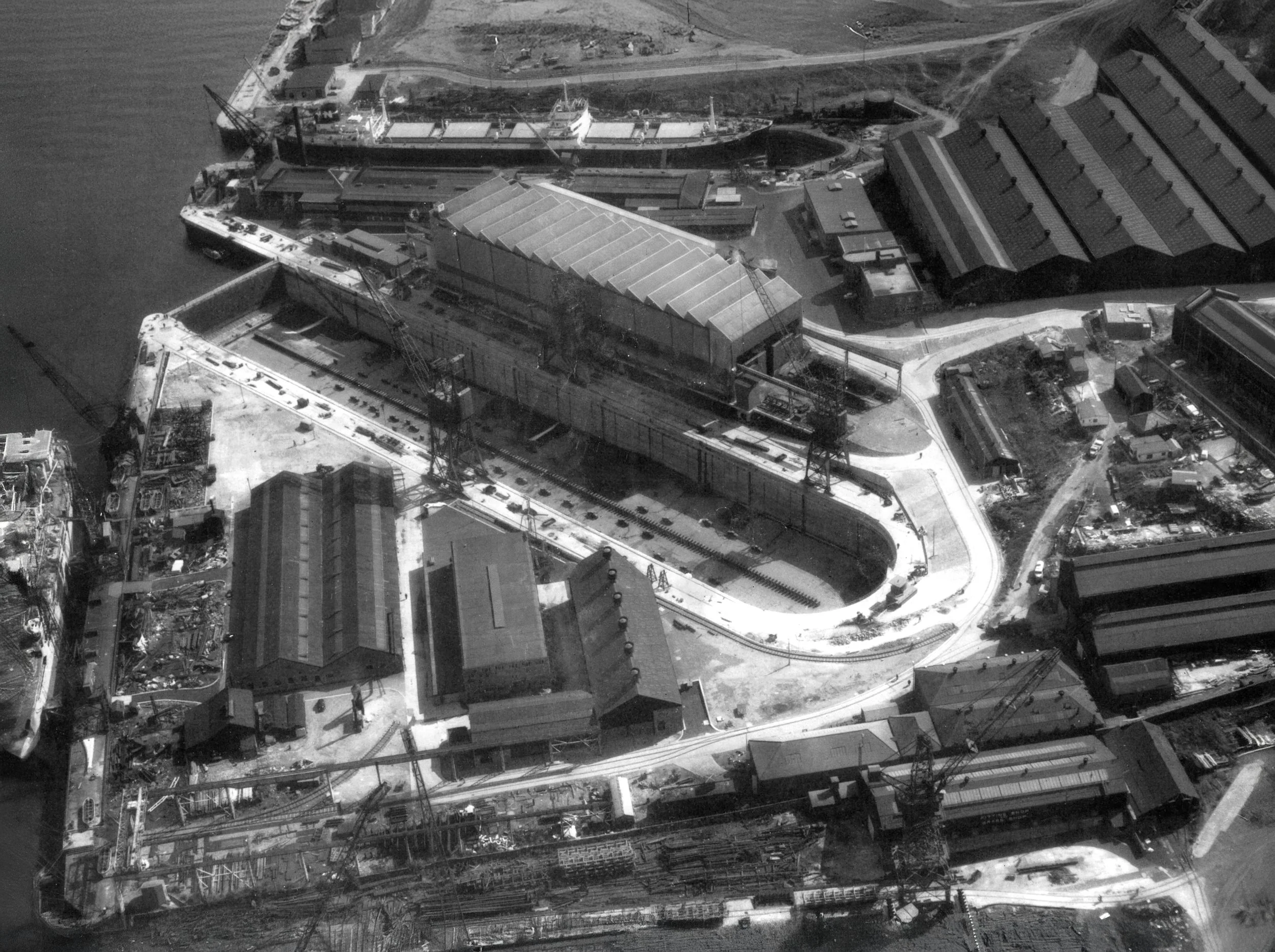
Industrial Strength on the Tyne
Tyne : A Powerhouse of British Shipbuilding & Fabrication
The River Tyne was once one of the busiest shipbuilding centres in the world, A&P Tyne now known as Balaena Tyne formed part of that vast industrial network. From the mid-19th century through to the 1970s, Tyneside yards produced thousands of vessels, supporting Britain’s growth as a global maritime power.
As the industry evolved, the site developed a strong reputation for heavy steel fabrication, module construction and marine engineering. From the 1970s onwards, it played a key role in producing specialist offshore structures for the North Sea oil and gas sector, helping to shape the UK’s modern energy infrastructure.
In recent years, Balaena Tyne has contributed to major national projects, including fabrication work for the Type 26 frigates, key modules for the RRS Sir David Attenborough, and the construction of Cory waste barges, a fleet that reduces London road traffic by around 100,000 truck-hours each year.
Today, Balaena Tyne stands as one of the UK’s most advanced heavy fabrication and engineering facilities, carrying forward the industrial strength and maritime heritage of the River Tyne.
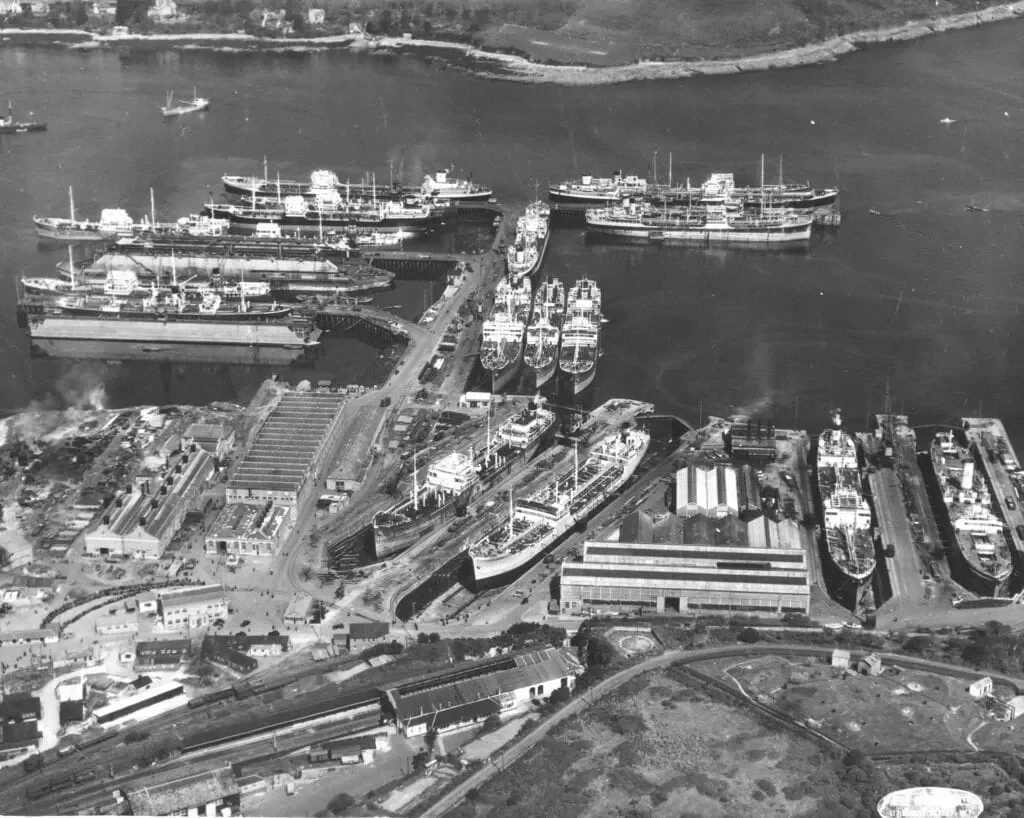
Cornwall’s Deep-Water Gateway
Falmouth : A Dockyard Built Around One of the World’s Deepest Harbours
Ship repair in Falmouth dates back to the Victorian era, when its naturally deep harbour made it a vital stop for global shipping routes. For more than 150 years, the dockyard has provided continuous repair and refit services to merchant fleets, naval vessels and some of the great Atlantic liners.
During the late 19th century, large dry docks were constructed between 1860 and 1900—facilities that remain in operation today and continue to support major vessels. Over time, A&P Falmouth developed a strong relationship with the Royal Fleet Auxiliary, carrying out long-term support work including refits of Bay Class vessels and RFA Argus.
In recent decades, Falmouth has evolved into a Global Centre of Excellence for Through-Life Support, combining its historic infrastructure with modern engineering capability. Today, Balaena Falmouth remains a critical deep-water repair hub for cruise, commercial and defence fleets operating in the Southwest.
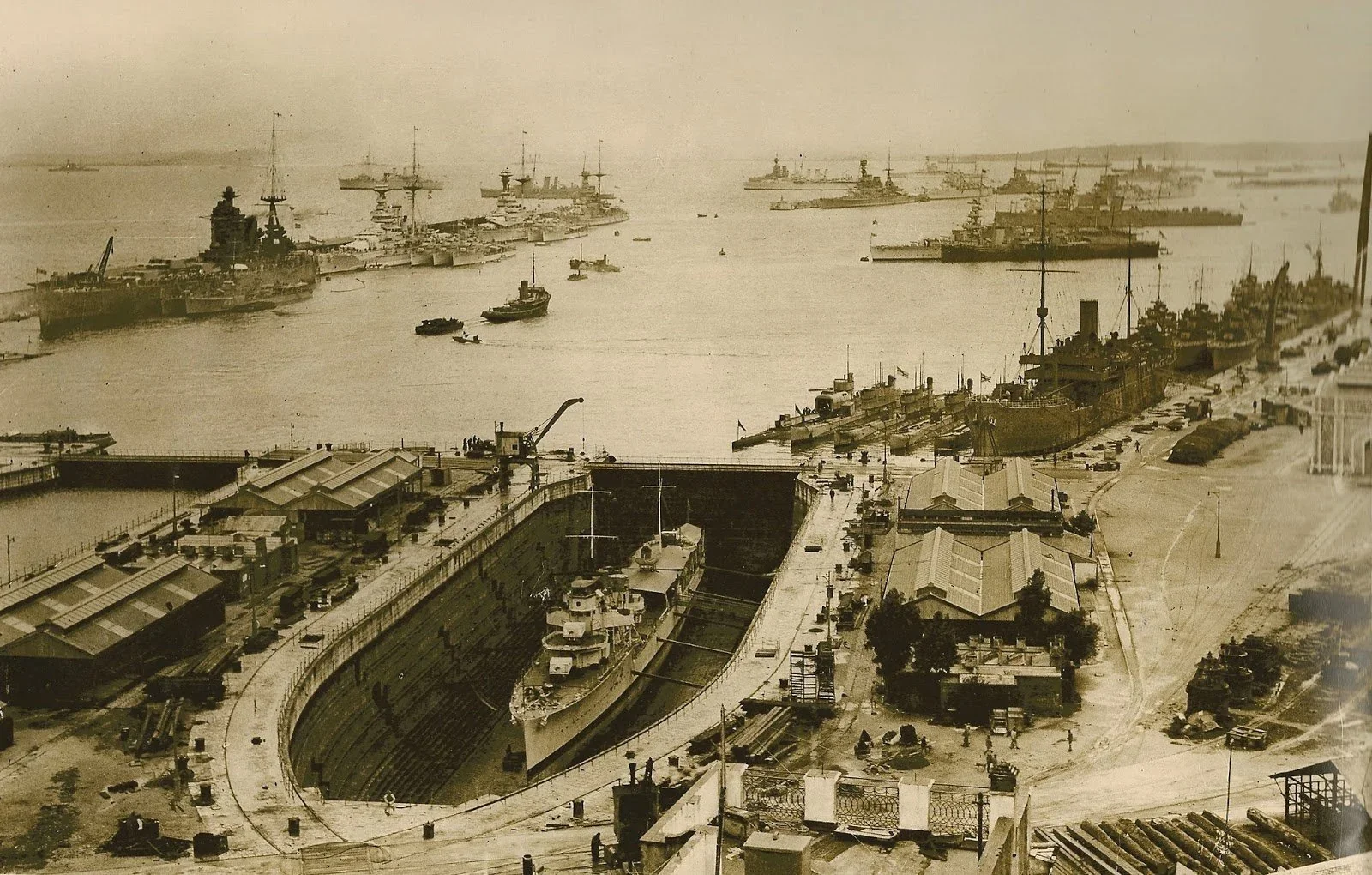
The Strategic Maritime Hub of the Mediterranean
Gibraltar : Maritime Gateway Since the 1800s
What is now Balaena Gibraltar has served international fleets for nearly two centuries, its importance shaped by a strategic position at the entrance to the Mediterranean. Dry-dock operations began in the late 19th century under British colonial administration, establishing the yard as a vital support point for naval and commercial vessels.
During the Second World War, the facility provided essential repair services for Allied fleets operating in the region. In the decades that followed, it expanded into a major repair hub for both Mediterranean and Atlantic shipping, steadily building a reputation for reliability and technical capability.
The yard was modernised in the early 2000s to support offshore, cruise and defence vessels, and today operates three major dry docks accommodating ships up to 272 metres in length. Its position at the Strait of Gibraltar continues to make it one of Europe’s most strategically important maritime service locations.
United as Balaena - Engineering the Future
Although these yards began separately, their histories share common themes:
Engineering excellence
Maritime innovation
Global impact
Naval and commercial service
Generations of skilled shipbuilders, engineers and fabricators
Today, under the Balaena name, these strengths are combined into one integrated group offering:
One of the largest dry-dock portfolios in Europe
Heavy fabrication across multiple regions
Defence-grade engineering
Offshore and renewable support
Small-craft specialist capability
A North–South–Mediterranean operational footprint
This is Balaena -
A group built on heritage, strengthened by scale, and focused on shaping the future of maritime engineering.